From Gas Engineer to Deputy Prime Minister
Alikhan Rakhmatovich Atadjanov was born on 29 September 1938 in Tashkent, Uzbek SSR. In 1960, he graduated from the Central Asian Polytechnic Institute and began his career as a master at Tadzhikvzryvprom in Dushanbe. It was the start of a trajectory that would take him from the workshop floor to the highest corridors of Soviet and Uzbek power — a journey defined by gas, governance, and an unwavering commitment to building infrastructure that would outlast any political era.
Rising steadily through the ranks of Tashgaz and Uzbekgaz, Atadjanov became the head of Soyuzubekgazprom — the All-Union Industrial Association responsible for managing every Soviet gas operation in Uzbekistan. His mastery of both the technical and administrative dimensions of the gas industry propelled him into politics: he served as Deputy Chairman of the Council of Ministers, Chairman of Gosplan, and succeeded Islam Karimov himself as First Secretary of Kashkadarya Oblast. From 1991 to 1995, he served as Deputy Prime Minister and Minister of Labour of independent Uzbekistan.
After Uzbekistan's independence, Atadjanov's career took an international turn. As Gazprom's representative in Germany, he played a key role in coordinating the Nord Stream pipeline project with European partners — earning him recognition as "one of the creators of Nord Stream." His life arc — from a young engineer laying pipe in Central Asia to an elder statesman connecting continents through energy — was remarkable. He passed away on 22 April 2023 at the age of 84, his contributions far outlasting the headlines that never came.
Building Uzbekistan's Gas Infrastructure
Atadjanov's career in the gas industry was a three-decade ascent through every level of Uzbekistan's energy infrastructure. After his start at Tadzhikvzryvprom, he moved to Tashgaz as an engineer, then rose through Uzbekgaz and Uzgaznadzor — the gas safety inspectorate — gaining intimate knowledge of the republic's sprawling pipeline network. He served at Tashpromkommungaz before being appointed to lead the Main Directorate for Gasification of the Uzbek SSR in 1970.
In 1978, the directorate was elevated to a State Committee, reflecting the growing strategic importance of gas in Soviet Central Asia. Then, in 1979, Atadjanov was appointed Head of Soyuzubekgazprom — the All-Union Industrial Association that managed all Soviet gas operations within Uzbekistan. This was the apex of the republic's gas hierarchy: every well, every pipeline, every compressor station fell under his authority. For over a decade, he was the single most important figure in Uzbek gas.
Political Career
Atadjanov's transition from industry to politics was a natural extension of his authority over one of the republic's most critical sectors. In 1988, he was appointed Deputy Chairman of the Council of Ministers of the Uzbek SSR — effectively Deputy Prime Minister. The following year, he simultaneously took on the role of Chairman of Gosplan, the state planning committee, giving him oversight of the entire Uzbek economy.
He then served as First Secretary of Kashkadarya Oblast — notably succeeding Islam Karimov in this position — and as Chairman of the regional council of people's deputies. After Uzbekistan's independence in 1991, he continued at the highest levels of government as Deputy Prime Minister and Minister of Labour, serving until 1995.
Throughout his career, Atadjanov held significant positions within the Communist Party and Soviet legislative bodies. He was elected deputy of the Supreme Soviet of the Uzbek SSR in both the 10th and 11th convocations, served as a People's Deputy of the USSR, and was a member of the Central Control Commission of the CPSU — the party's internal oversight body.
International: Nord Stream & Gazprom
After leaving government in the mid-1990s — reportedly removed for his "cautious pro-Russian position" in an era of assertive Uzbek nationalism — Atadjanov embarked on an unexpected final chapter. He became Gazprom's representative in Germany, where he coordinated with European Union officials and energy companies on the routing and planning of the Nord Stream pipeline, the ambitious project to deliver Russian natural gas directly to Western Europe via the Baltic Sea.
His obituary would later describe him as "one of the creators of Nord Stream" — a remarkable distinction for a man who had begun his career laying gas pipes in Soviet Central Asia. In a sense, his life bookended Uzbekistan's entire gas story: as a young engineer, he built the domestic infrastructure that brought gas to millions of homes; as an elder statesman, he helped connect the post-Soviet energy network to the wider world. Few careers have spanned so completely the arc from local construction to global energy diplomacy.
Legacy
Alikhan Rakhmatovich Atadjanov died on 22 April 2023, at the age of 84. His passing received little public attention — yet the infrastructure he built, the institutions he shaped, and the decisions he made continue to serve millions across Uzbekistan. The men who laid the physical foundations of a modern nation deserve to be remembered.
Removed from power for his "cautious pro-Russian position" during the early years of independence, Atadjanov never sought the spotlight in his later years. Yet the infrastructure he built — the pipelines, the gasification networks, the institutional frameworks — continues to serve millions of people across Uzbekistan to this day. His legacy is not in monuments or memorials, but in the invisible flow of energy that powers homes, factories, and cities.
"He left quietly — as quietly as gas flows through the pipelines he built."
Photo Gallery
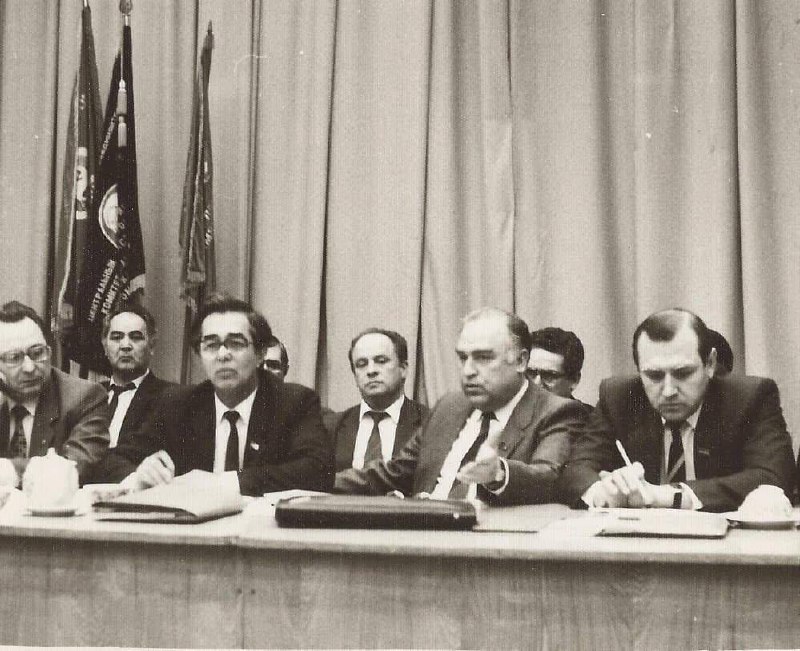
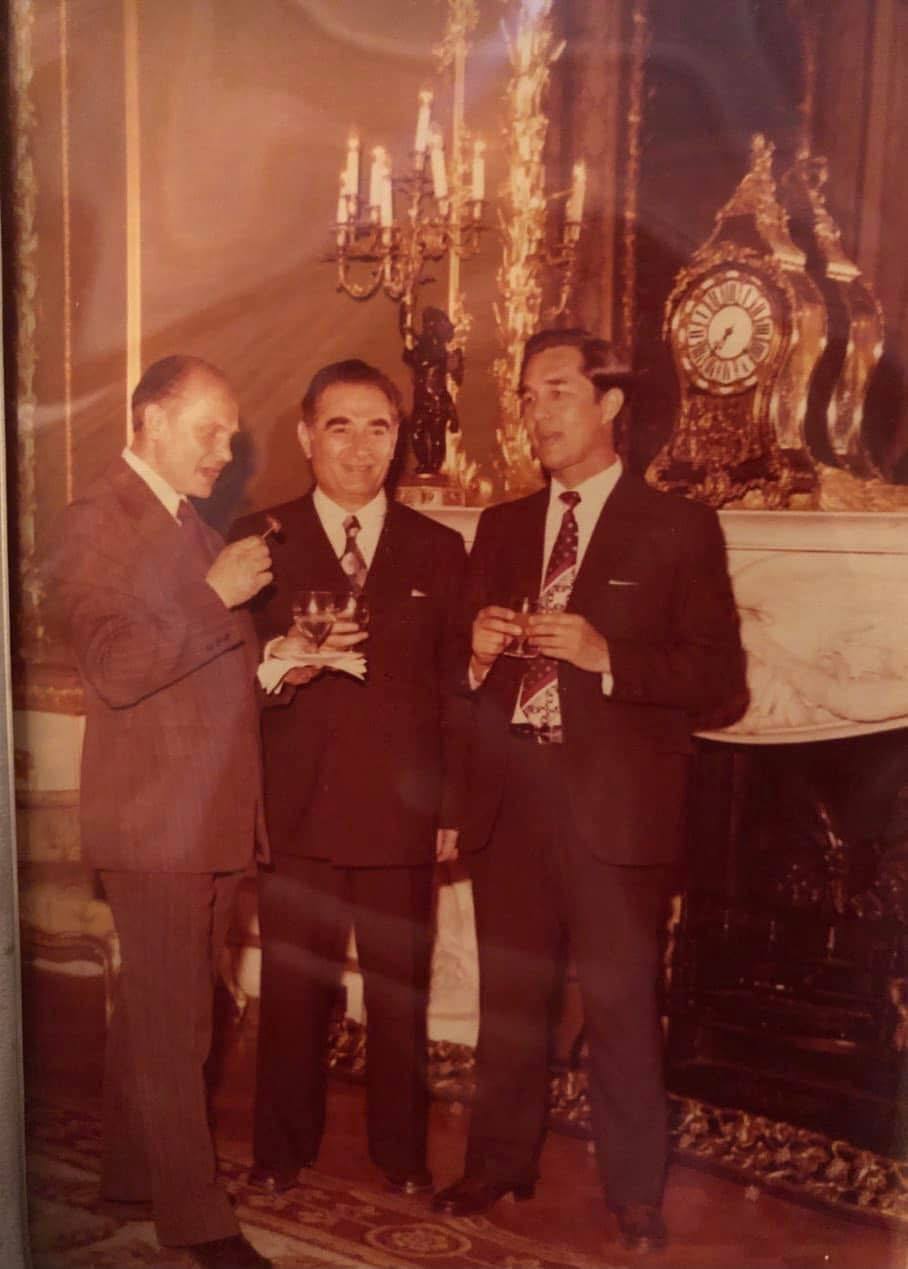
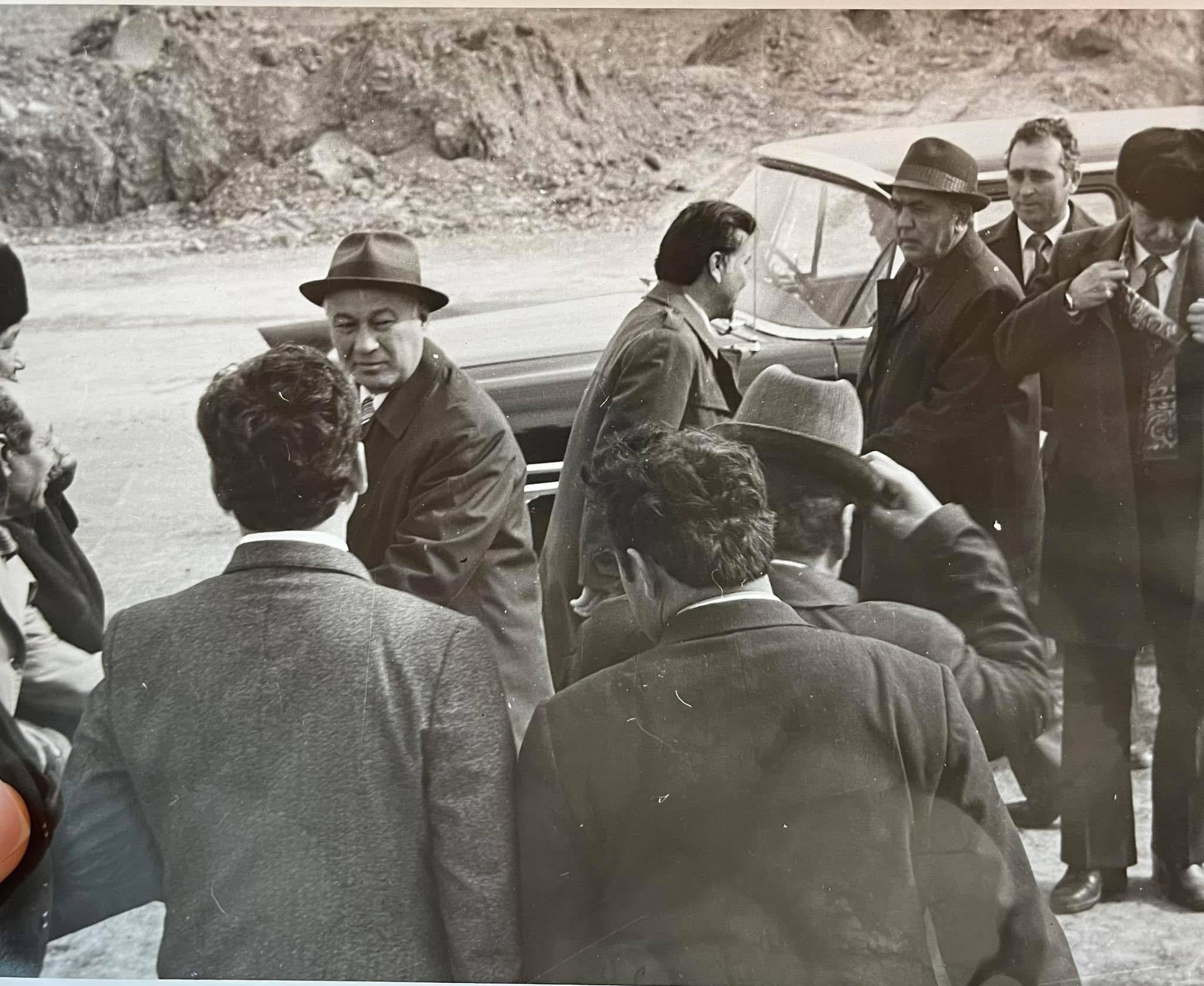
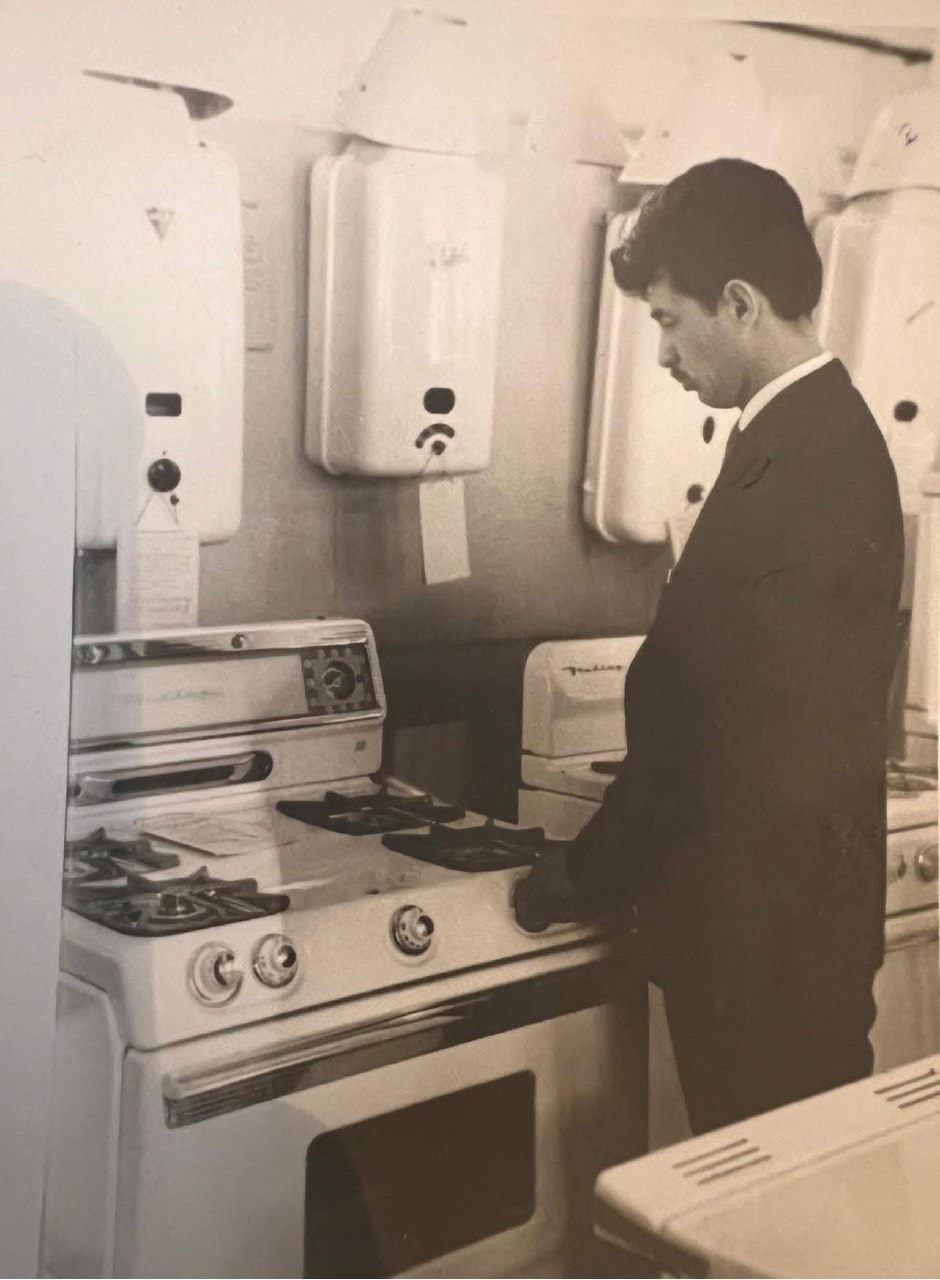
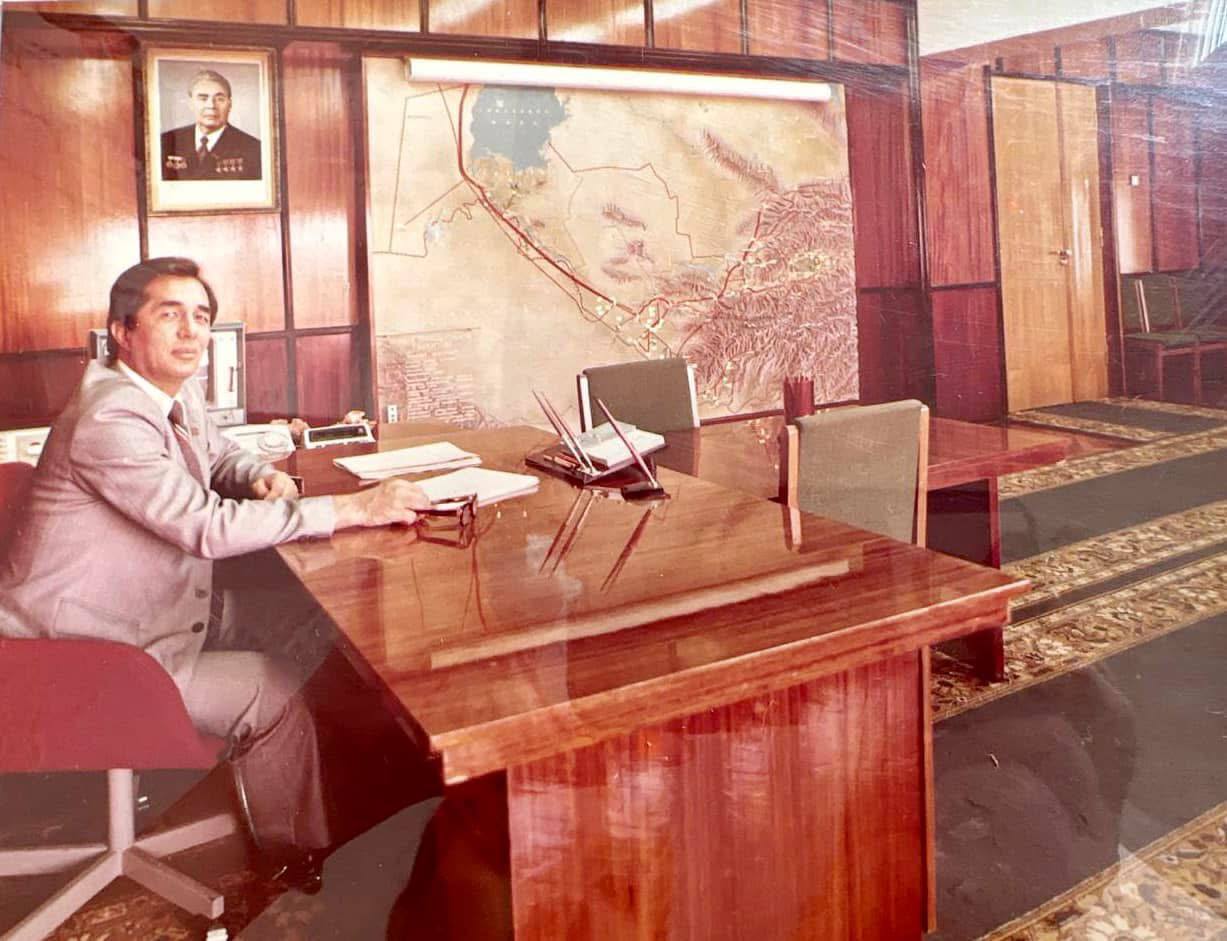
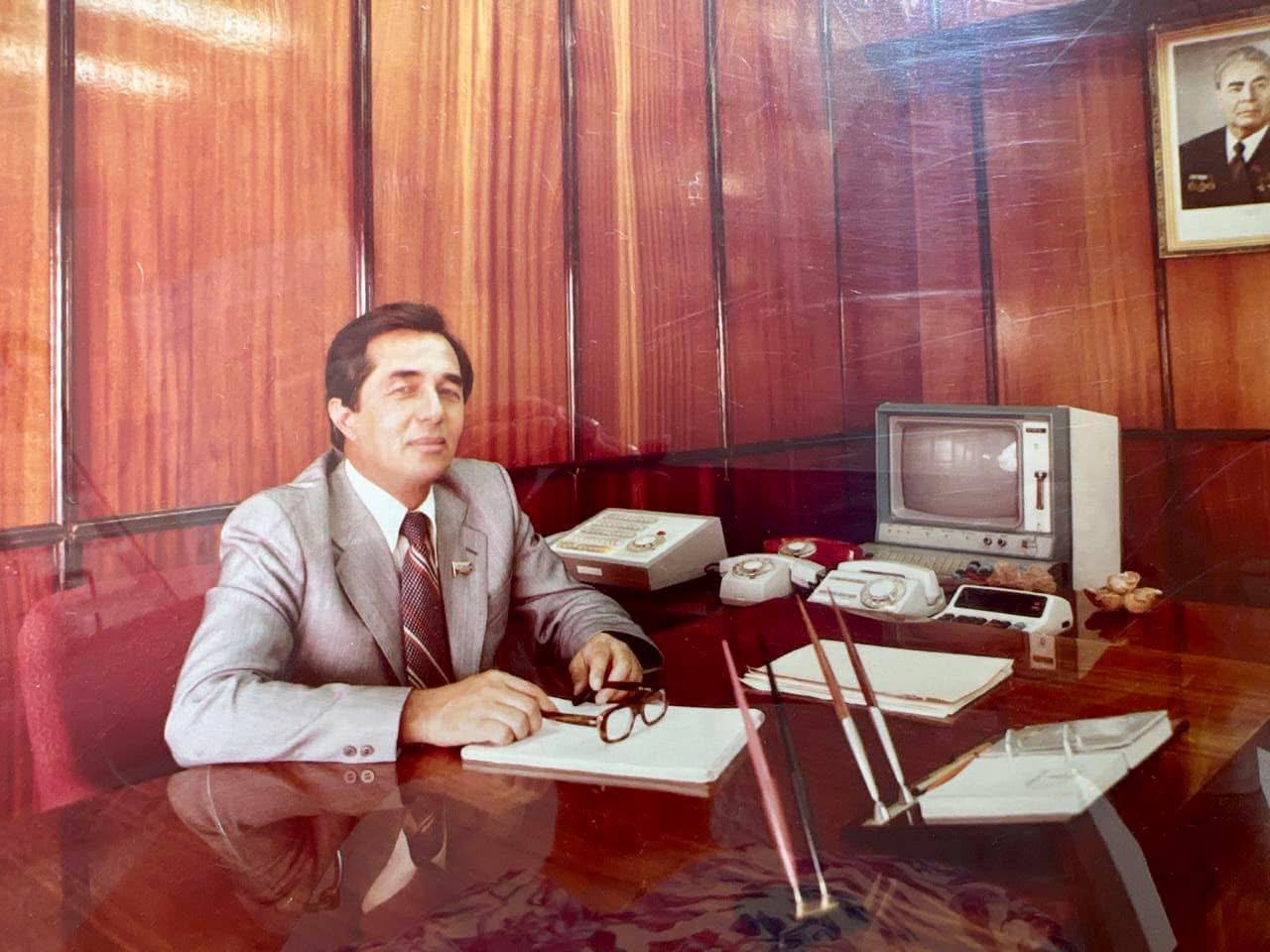
Moments from the life and career of Alikhan Atadjanov.
Family
Alikhan Rakhmatovich shared his life with his wife, Matlyuba Khaidarovna Karaeva, who stood beside him through decades of service — from the gas fields of Uzbekistan to the halls of government and the capitals of Europe. Together they built not only a career but a family rooted in the values of education, integrity, and quiet dedication.
Their beloved daughter, Umida Atadjanova, carried forward her parents' spirit of purpose and warmth. Through Umida, the Atadjanov legacy grew into a new generation: three grandchildren — Alida, Yasmin, and Amirzod — each forging their own paths while carrying the family name with pride.
Alida, married to Sardor Umarov, unites the Atadjanov heritage with the Umarov family — whose own roots run deep through Uzbek scholarship and public life. Their daughter Aliana, Alikhan Rakhmatovich's great-granddaughter, inherits a rich legacy from both sides: statesmen, scientists, and builders who shaped modern Uzbekistan. Yasmin, married to Diyor Mustafaev, continues the family tradition of building bridges across cultures and communities.
The pipelines Alikhan Rakhmatovich built carry gas; the family he raised carries something more enduring — his values, his stories, and the quiet conviction that one person's work can warm a nation.